The Best Month for Whale Watching in Tenerife
There is no season to miss — the animals are resident. What changes month to month is the sea, not the sightings.
Most whale watching destinations have a right month. Tenerife does not, and that is the single most useful thing to know before booking.
Why every month works
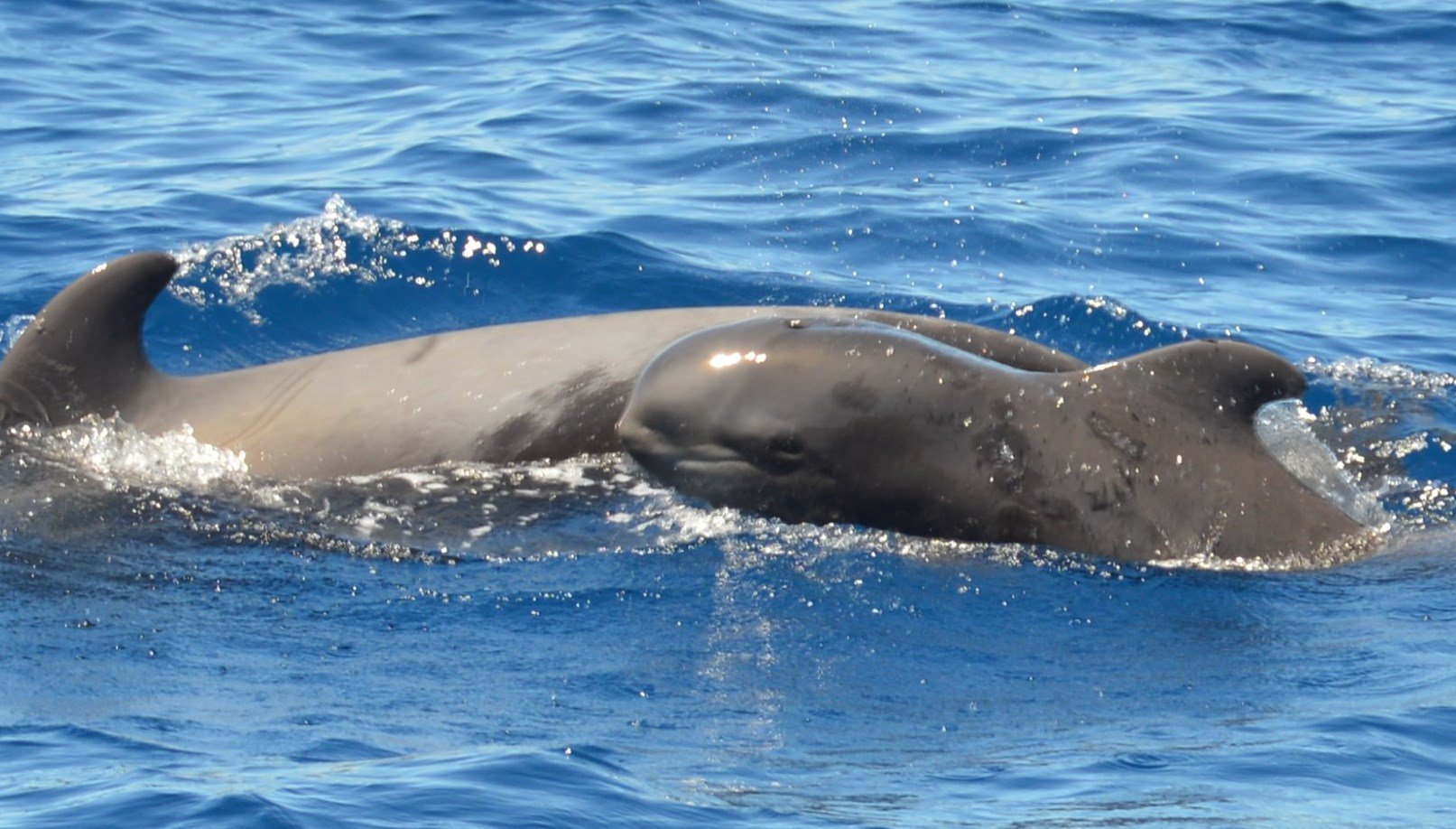
Pilot whales and bottlenose dolphins in the Teno-Rasca channel are resident. They are there in February and they are there in August. Boats run year round for that reason, and sighting probabilities stay high across the calendar.
So the usual question — when should I go — has an unusual answer: whenever you are on the island.
What does change: the sea
Spring, roughly April to June. Typically the calmest water and the most comfortable crossings, with the swell down and the wind moderate. If you are a nervous sailor, aim here.
Summer, July and August. Warm and busy. The trade winds pick up in the afternoons on the south-west coast, so morning departures are usually the smoother booking. Boats fill up, so book ahead rather than on the day.
Autumn, September and October. A good compromise — water still warm for the swim stop, fewer people than August, conditions generally settled.
Winter, November to March. More wind and more swell, and a higher chance of a cancelled or uncomfortable trip. The animals are still there. Take the seasickness precaution seriously and prefer a larger, steadier boat.
The other seasonal variable: other species
The residents are constant. The visitors are not — a longer list of cetacean species passes through Canarian waters at different times of year, which is why sighting logs vary even though the pilot whales do not. Treat anything beyond pilot whales and bottlenose dolphins as a bonus rather than a plan.
Time of day
Morning sailings are usually calmer, because the wind on this coast tends to build through the afternoon. They are also less crowded on the water, which matters when the rules cap the number of boats near a pod.
Pick a Boat That Keeps Its Distance
The animals are here every month of the year. What changes the trip is the operator — how many people are on board, and whether the skipper cuts the engine and waits instead of chasing.
Check Availability & Book